April 13, 2026
Understanding the appropriate generator size for your home is an important step in maintaining consistent power during outages. A properly sized back up generators helps ensure that essential appliances and systems continue running when the electrical grid goes down. From refrigeration and lighting to heating and communication devices, having the right backup power solution can make interruptions far more manageable. Choosing the correct capacity is not just about convenience; it's about making sure your home remains functional when it matters most.
Essential Household Power Requirements
Identify Essential Electrical Loads
The first step in choosing a back up generators is determining which electrical systems and appliances are most important during an outage. Common essentials often include refrigerators, lighting circuits, heating or cooling systems, and communication devices. Some homes may also prioritize sump pumps or medical equipment depending on individual needs. Listing these critical loads helps establish a baseline for how much power your back up generators must supply. This process can also help create a clearer picture of how energy is typically distributed throughout a home during normal operation.
Understand Starting and Running Wattage
Every electrical device uses a certain amount of power while operating, but many appliances require an additional surge of energy when they first turn on. This is known as starting wattage, while the lower ongoing requirement is called running wattage. Appliances like refrigerators and air conditioners typically require higher startup power. Accounting for both values is essential when estimating your total household load to avoid selecting the wrong back up generator. According to This Old House, in most situations, operating a 20kw generator should be enough to power the majority of your home devices. Understanding how these two types of wattage interact can help create a more accurate overall estimate of energy needs.
Plan Electrical Growth
Homes often change over time, especially when new appliances, systems, or remodels are added. When selecting a back up generators, it is important to consider not only current needs but also potential future increases in electrical demand. Choosing a system with some additional capacity helps ensure it can continue supporting your home as your energy requirements evolve. This type of planning also allows homeowners to feel more prepared for gradual changes in household energy use without needing immediate system adjustments.
Account for Seasonal Energy Use
Energy demand can shift significantly throughout the year. Heating systems may place more demand on your electrical system during colder months, while air conditioning can increase usage in the summer. These seasonal variations should be factored into generator sizing so the system can handle peak demand without interruption. Taking seasonal shifts into account can also help provide a more balanced understanding of how electrical usage patterns change over time.
Common Backup Power Types
Use Portable Generators
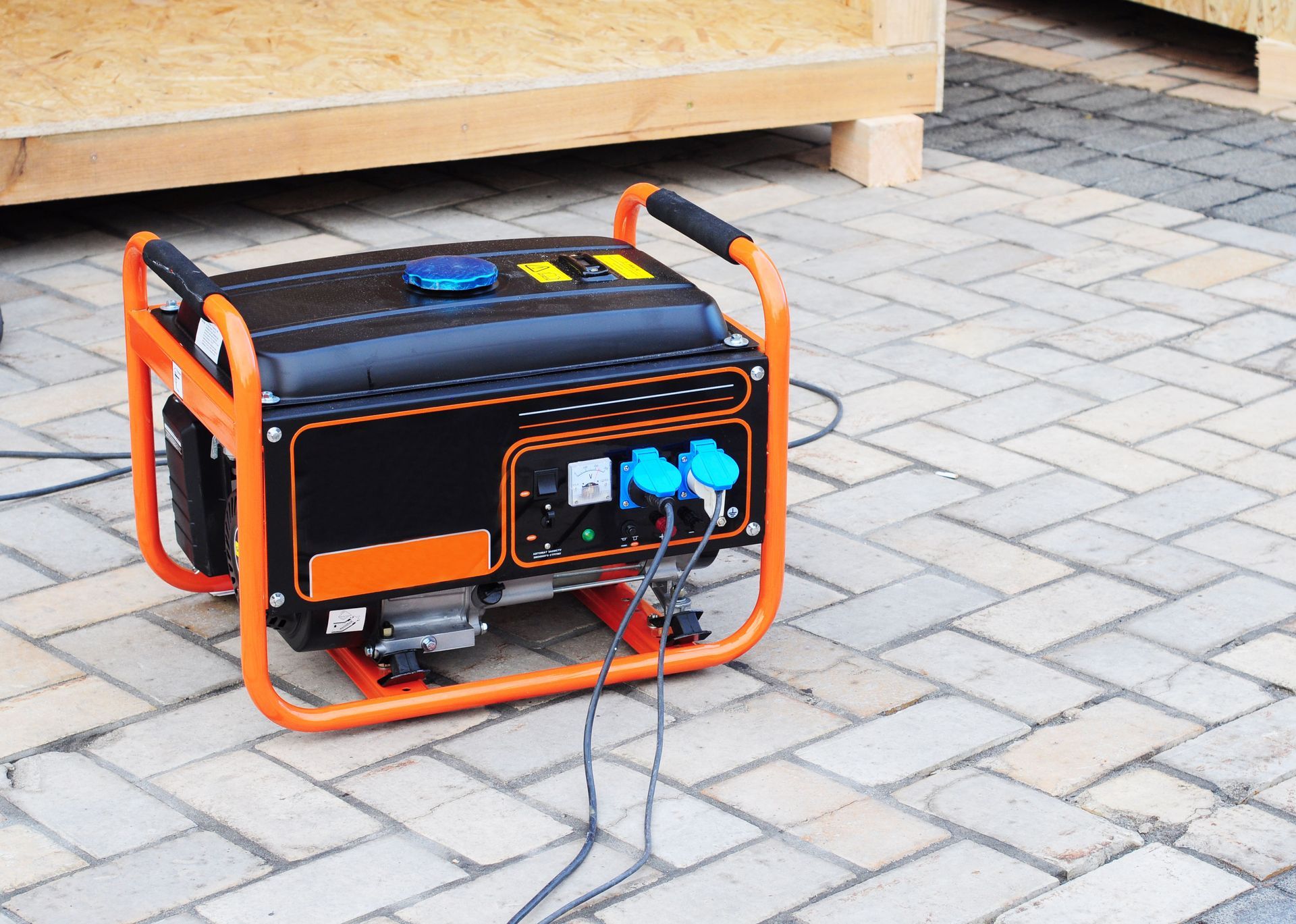
Overall, portable generators provide temporary backup power for essential household needs during outages. They are typically used to run selected appliances or limited circuits rather than powering an entire home. These systems require manual setup and fueling, making them best suited for short-term or emergency use. Their flexibility makes them a practical option for homeowners looking for dependable backup support. Portable units can also be stored when not in use, which allows them to remain available without requiring permanent installation space or integration into the home's electrical system.
Use Standby Generator Systems
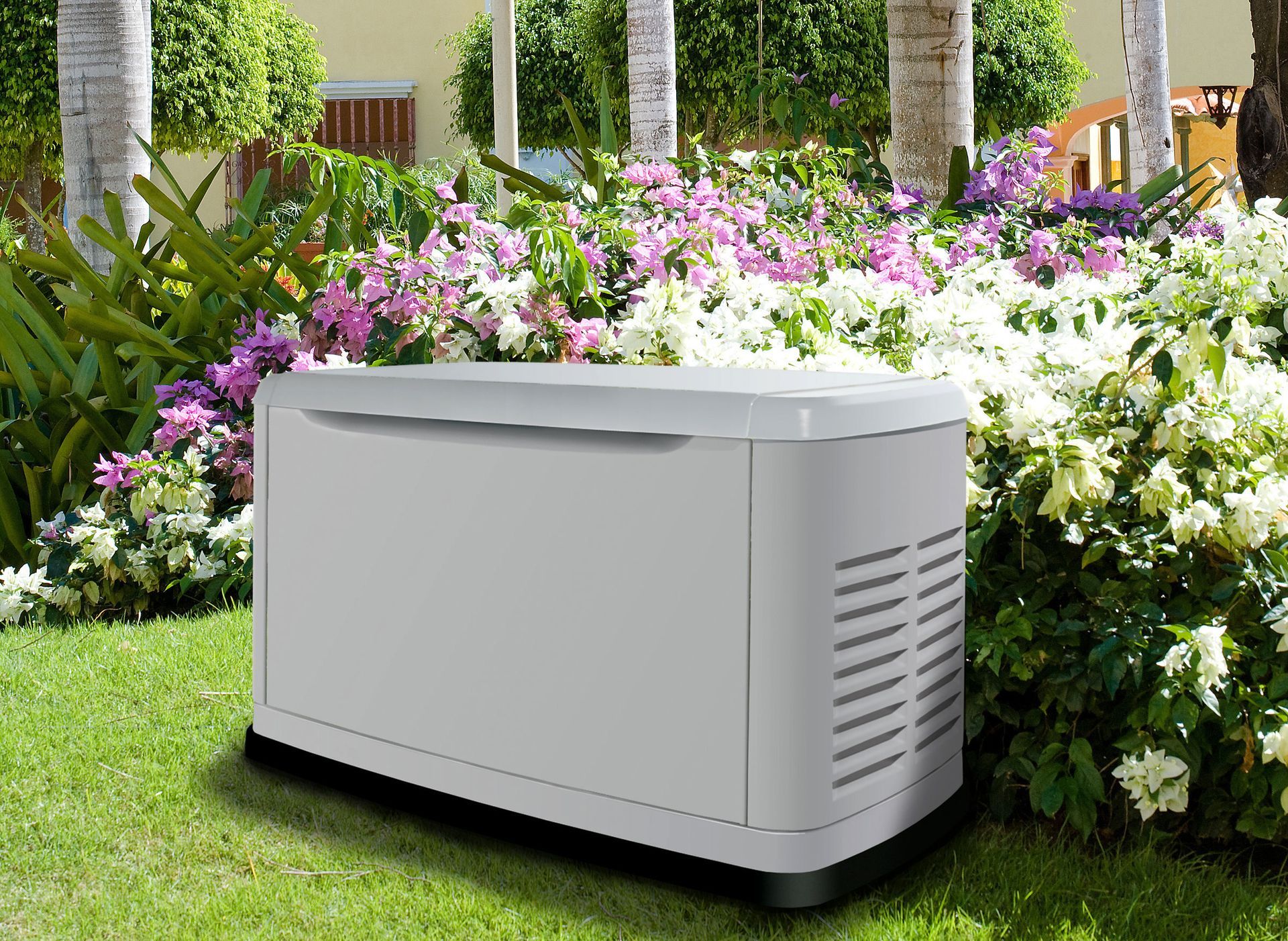
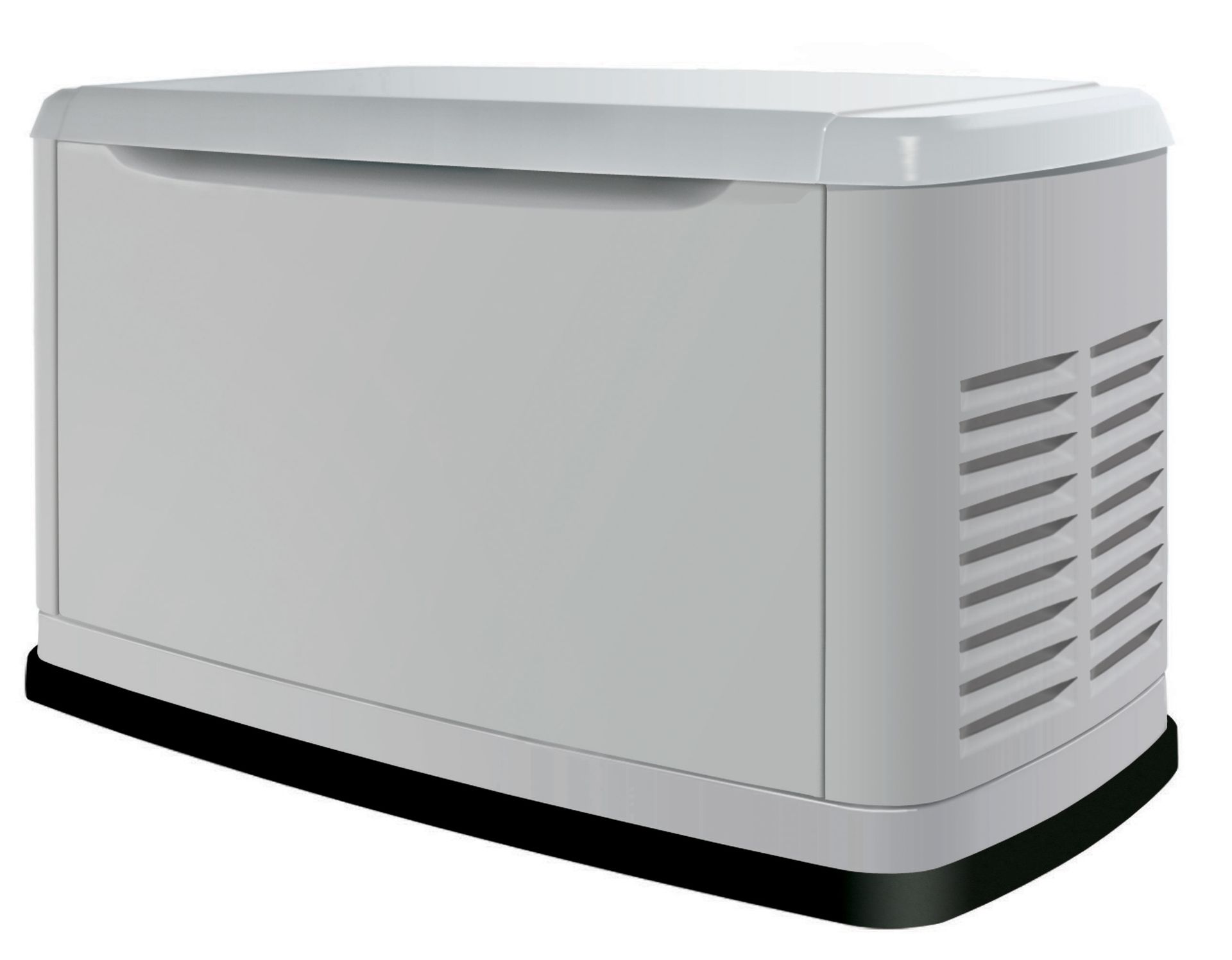
Standby generators are permanently installed systems designed to automatically provide backup power when the main electrical supply is interrupted. These systems are connected directly to a home's electrical panel and can activate without manual intervention. Standby units are commonly used to power essential systems or, depending on size, a significant portion of the home's electrical load. They are a common solution for homeowners seeking more seamless backup power integration. Because they remain installed long-term, they are often considered as part of the overall electrical planning for a property.
Consider Generator Sizing
Determining the right back up generators size depends on the total wattage required to support selected appliances and systems. A properly sized unit must account for both starting and running loads, especially for high-demand equipment. Adding a buffer above the calculated load helps ensure the system operates without strain during peak usage periods. This approach supports more stable and consistent performance during outages. It also allows the system to accommodate occasional fluctuations in household energy use without disruption.
Proper Electrical System Compatibility
Evaluate Voltage and Load Requirements
Residential electrical systems typically operate using standard voltage levels that must align with generator output. Ensuring compatibility between a back up generators and the home electrical system is essential for safe and effective operation. Some homes may have higher demand circuits or specialized equipment that require additional planning during installation. Reviewing these requirements in advance can help ensure the system is appropriately matched to household needs.
Configure Panel Integration and Transfer Setup
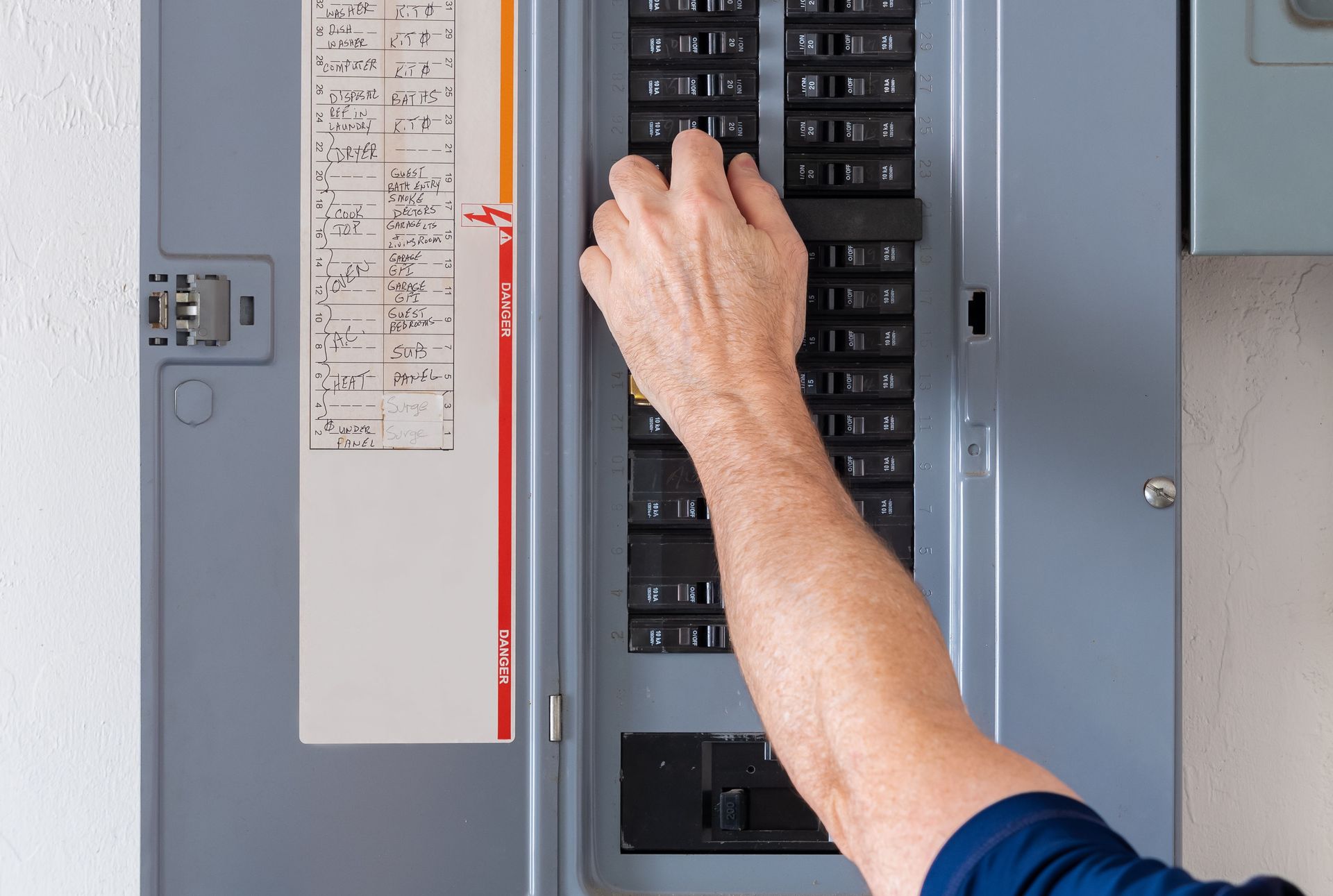
For standby systems, integration with the home's electrical panel is a key part of installation. This setup allows the generator to supply power to designated circuits or the entire home during an outage. Proper configuration ensures that power is distributed safely and efficiently when the system activates. This step also helps define how electrical loads are prioritized during backup operation, depending on the system setup.
Safe Installation and Maintenance Practices
Follow Professional Installation Requirements
Proper installation is essential for safe and effective generator operation. Standby systems require connection to the home's electrical system and must be configured to activate during outages. Portable generators, while not permanently installed, still require careful setup to ensure safe operation and proper load management. Electrical expertise helps ensure the system functions as intended. Installation also involves ensuring that all connections and configurations align with the home's electrical structure.
Maintain Backup Power Systems
Regular maintenance helps keep backup power systems operating efficiently over time. This may include routine inspections, system testing, and basic servicing of key components. Keeping a generator in good condition helps improve performance consistency when it is needed most. Maintenance routines can also help identify gradual wear or performance changes before they affect operation.
Practice Safe Operation
Generators should always be operated in accordance with safe usage practices. Proper placement, ventilation, and connection methods are important to avoid electrical hazards and ensure consistent performance. Understanding basic safety guidelines helps protect both the electrical system and the home environment during operation. Following safe practices also supports smoother system use during unexpected outages.
Effective Backup Power Selection
Match System Size to Home Needs
Selecting the right back up generators involves matching system capacity to the household's electrical requirements. Homes with only essential circuit coverage needs will require less capacity than those aiming to support broader electrical use. Careful load planning ensures the selected system can meet expected demand during outages. This step also helps clarify how different household systems interact when multiple loads are operating at the same time.
Balance Capacity and Efficiency
A properly sized generator should provide enough power to handle expected loads without being overextended. Systems that are too small may struggle during peak demand, while oversized systems may be unnecessary for limited use cases. Proper planning helps achieve a balanced solution tailored to the home's needs. This balance also helps ensure that system output remains appropriate for typical household demand patterns.
For homeowners exploring backup power solutions or related electrical services, SmartPower Services offers residential and commercial electrical work, generator installation and repair, EV charging installation, and a range of system support services. To learn more about available options and service offerings, visit SmartPower Services for additional information and guidance.