August 14, 2026
Power outages can interrupt nearly every part of daily life, from household routines to business operations and essential equipment. Having a dependable backup power solution can help property owners stay prepared when the electrical grid goes down unexpectedly. Standby and portable generators both provide emergency power, but they operate differently and serve different needs. Understanding those differences can help homeowners and business owners select an option that fits their property, budget, and expected power requirements. A standby system is permanently installed and can automatically provide electricity during an outage. A portable unit offers greater flexibility because it can be moved and used in different locations when needed. According to Verified Market Reports, around 20% of U.S. households experience power outages each year, contributing to growing interest in dependable backup power options. Before choosing a back up generator, it is important to consider how much power is needed, how frequently outages occur, and how much convenience the system should provide.
Consider How Often Outages Occur
The frequency of power outages is an important factor when deciding which generator type makes sense for a property. Homes and businesses that rarely experience interruptions may have different needs than properties located in areas where outages happen regularly. A portable generator can provide a practical option for occasional emergencies because it can be stored until power is needed. Standby systems are generally more appropriate for property owners who want a permanent solution that remains ready for unexpected outages. Frequent interruptions can make manually setting up a portable unit inconvenient, particularly when outages happen at night or during severe weather. A permanently installed system can provide a more convenient response because it is designed to operate automatically when utility power is interrupted. Property owners should consider their previous outage experiences and how much disruption an electrical interruption creates. Choosing the right back up generator starts with understanding how often reliable electricity may be unavailable.
Compare Automatic and Manual Operation
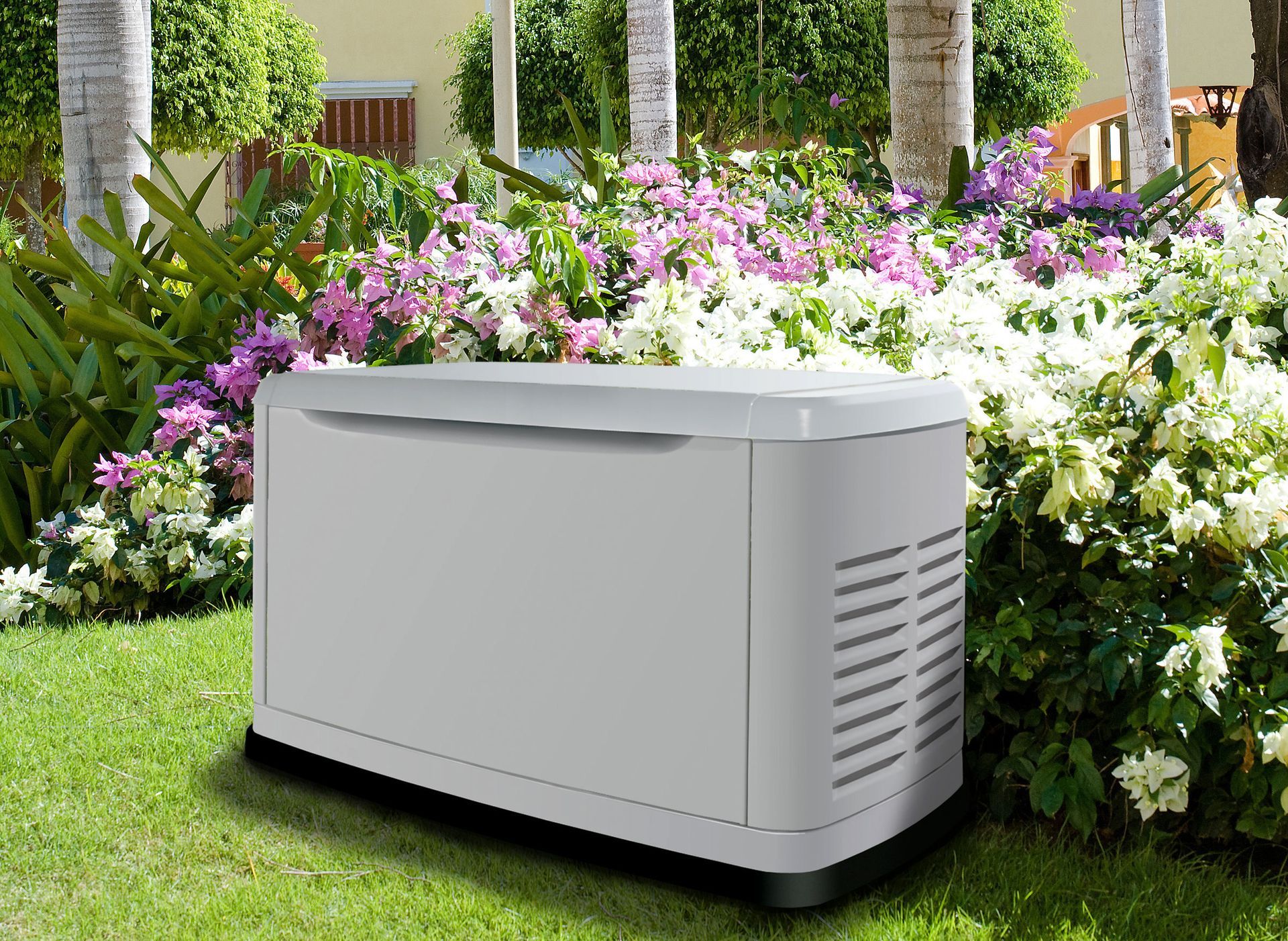
The way a generator starts is another major difference between standby and portable systems. Standby generators are permanently connected to the property's electrical system and can be configured to start automatically when an outage occurs. This eliminates the need for someone to locate the equipment, move it into position, and start it manually during an emergency. Portable generators generally require more preparation before they can provide power to a property. Users may need to move the unit outside, connect the appropriate equipment, and start it according to the manufacturer's instructions. This manual process can be manageable for occasional use but may be less convenient during unexpected outages. Automatic operation can be particularly valuable for people who want essential electrical systems restored without having to respond immediately. A back up generator with automatic operation provides a different level of convenience than a portable system that requires hands-on setup.
Evaluate Your Power Requirements
The amount of electricity a property needs should be considered before selecting a generator. Portable generators are available in different capacities, making some suitable for powering selected appliances or essential equipment. Standby systems can be designed to provide power for a larger portion of a property's electrical needs, depending on the system selected and the installation. Homeowners should identify which appliances, systems, or equipment they consider essential during an outage. Refrigeration, lighting, heating, cooling, medical equipment, and communication devices may have different power requirements. Attempting to operate too many devices with an undersized generator can create performance concerns and place unnecessary strain on the equipment. Understanding electrical loads helps property owners select equipment that is appropriate for their intended use. When evaluating a back up generator, determining the necessary capacity is one of the most important steps in the decision-making process.
Compare Installation Requirements
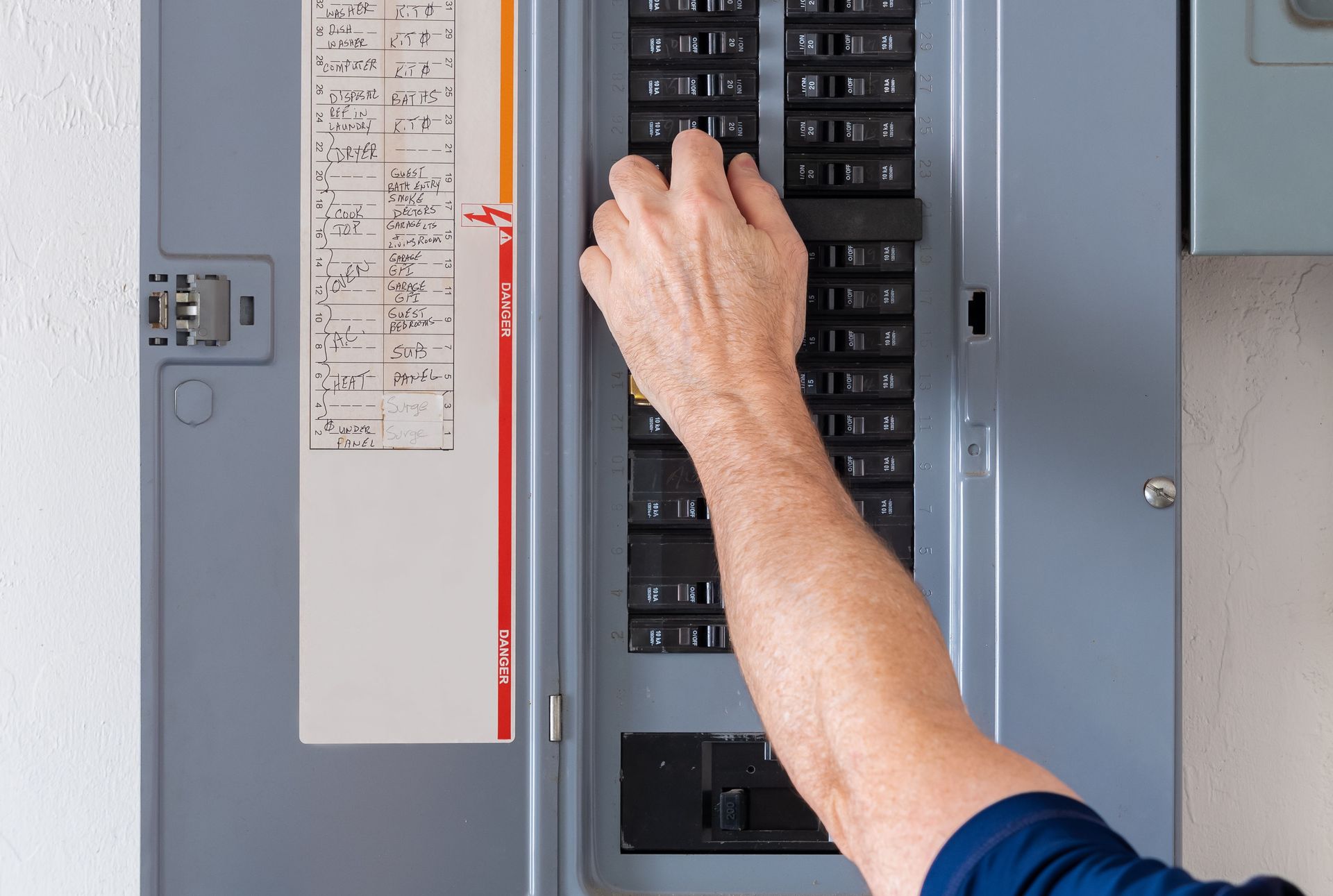
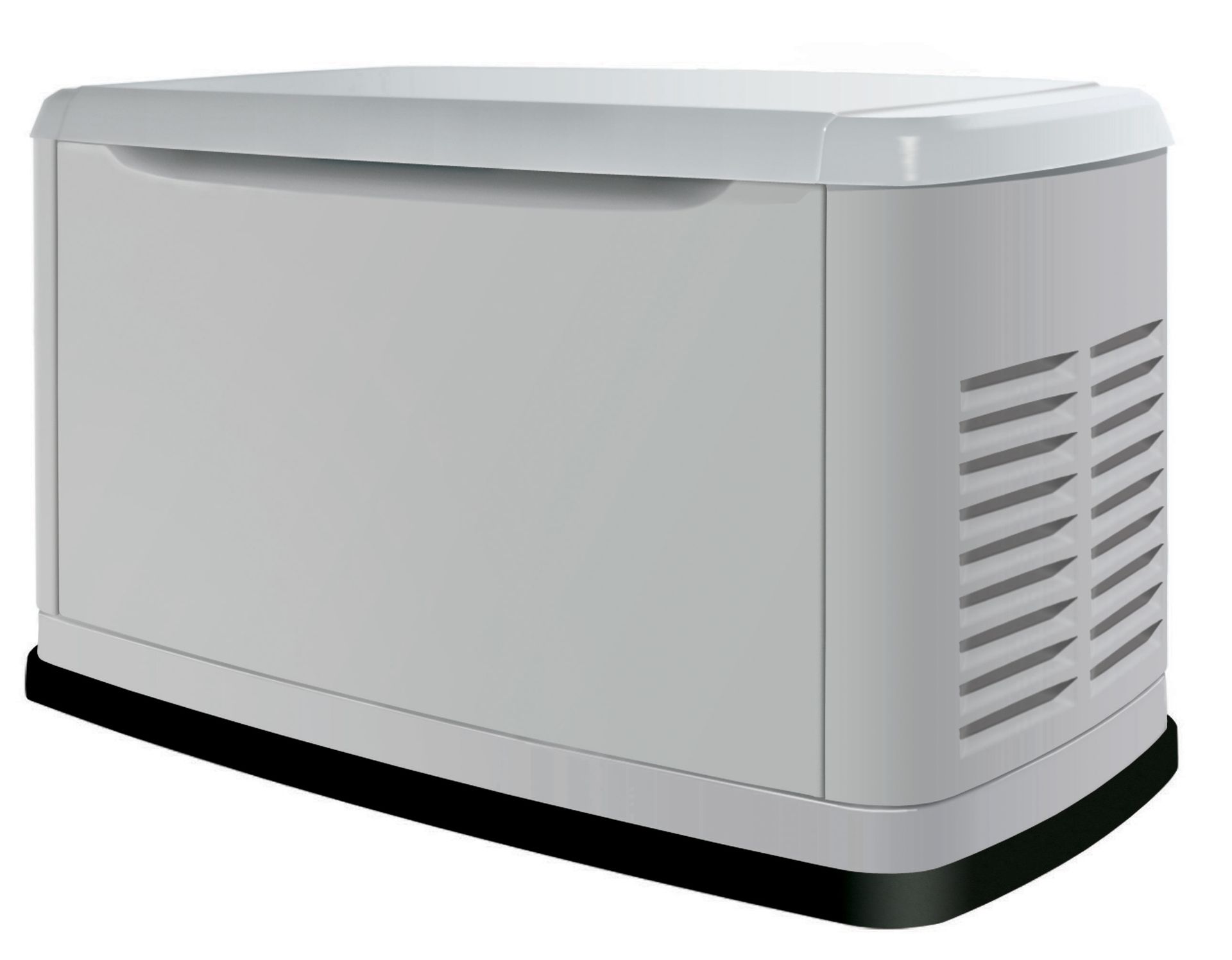
Installation is another major difference between standby and portable generators. Portable units typically do not require permanent installation, which makes them appealing to property owners seeking a flexible emergency power option. They can be stored when not in use and brought out when needed, provided they are operated safely according to manufacturer instructions. Standby generators require permanent installation and connection to the property's electrical system. This installation process involves planning the generator's location, electrical connections, and other necessary components. Professional installation is important because permanently connected electrical equipment must be installed correctly and safely. The initial installation requirements can make standby systems a larger commitment compared with portable units. However, homeowners who want a permanent back up generator may find the added installation worthwhile because of the convenience it provides.
Consider Fuel and Operating Needs
Fuel requirements can also influence which generator type is right for a particular property. Portable generators commonly utilize fuel that must be stored and replenished when the unit is needed. This means property owners need to consider fuel availability and safe storage practices before an outage occurs. Standby generators can be connected to an appropriate fuel supply, allowing them to operate without requiring the homeowner to manually refuel the unit during an outage. The specific fuel type and system requirements vary depending on the generator model and installation. Property owners should review manufacturer specifications and applicable safety requirements when comparing fuel options. Regular maintenance is also important for ensuring that a generator is ready when an emergency occurs. A properly maintained back up generator can provide more dependable support when normal electrical service is interrupted.
Compare Portability and Flexibility
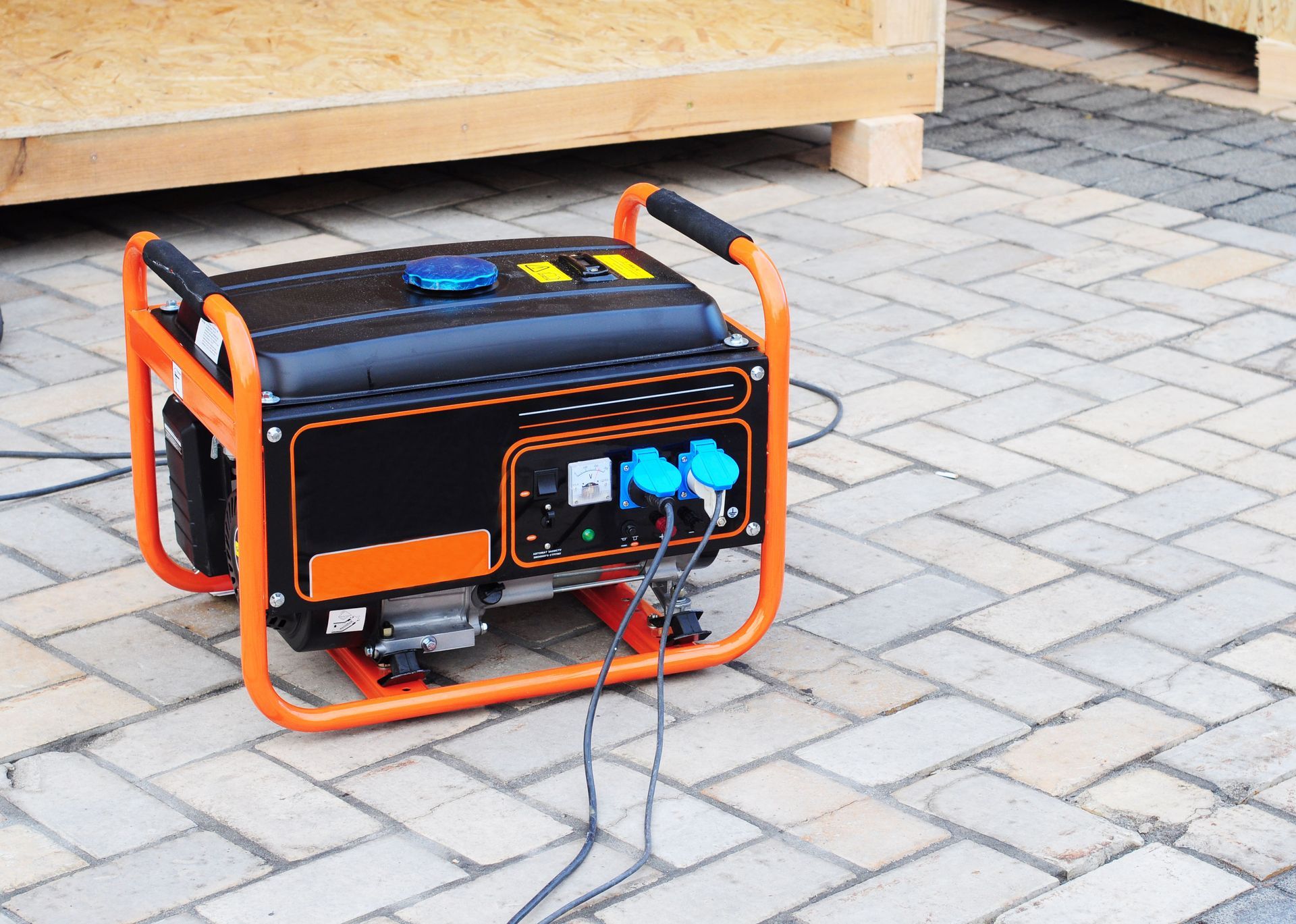
Portability is one of the clearest advantages of a portable generator. Because these units can be moved, they may be useful for different locations, outdoor applications, or situations where permanent installation is not practical. Portable equipment can also be stored away when it is not needed, leaving the property free of permanently installed equipment. Standby generators, in contrast, remain in a designated location and are intended to serve the property where they are installed. Their fixed design makes them less flexible in terms of physical movement but more convenient for permanent emergency power. Property owners should determine whether flexibility or permanent availability is more important for their circumstances. Understanding how the back up generator will actually be used can make the decision much easier.
Weigh Convenience Against Initial Cost
Budget considerations can affect the decision between portable and standby generators. Portable systems generally have a lower initial equipment cost, although the total expense depends on the model, accessories, fuel, and intended use. Standby generators typically involve a greater initial investment because they require the generator itself as well as professional installation and electrical connections. However, the added investment provides benefits such as automatic operation and permanent availability. Property owners should consider both the upfront cost and the long-term value of the system. A less expensive option may be appropriate for someone who only needs occasional emergency power. A more comprehensive system may make sense for someone who wants greater convenience and broader power coverage. When comparing a back up generator, looking beyond the purchase price can help property owners make a decision based on overall value.
Choosing between a standby and portable generator requires careful consideration of how your property uses electricity and what you expect from emergency power. SmartPower Services can help property owners evaluate their backup power needs and understand the differences between available solutions. A portable system may provide the flexibility needed for occasional outages, while a standby option can offer greater convenience for those seeking permanent backup power. Understanding your power requirements, operating preferences, installation needs, and budget can help you make a more informed decision. Reliable backup power planning can also help reduce disruptions when unexpected electrical interruptions occur. Taking time to choose the appropriate equipment is an important part of preparing your property for changing power needs. SmartPower Services is available to help you explore backup power options suited to your circumstances. Contact SmartPower Services today to discuss your generator needs and find a dependable solution for your property.